
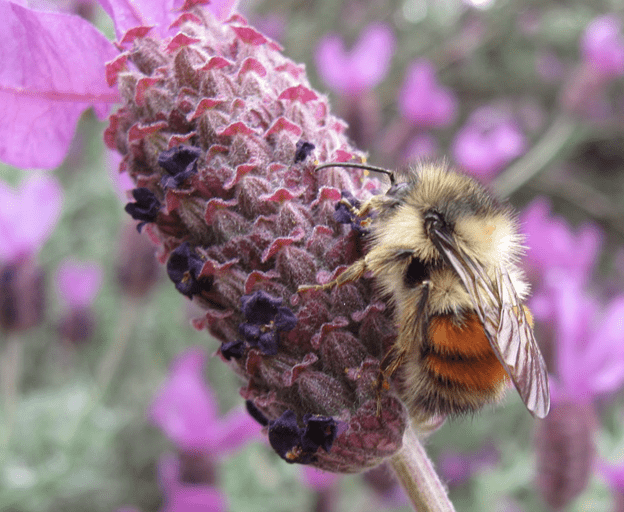
Bug BioBlitz is a community science event where nature lovers of all ages use the iNaturalist app to document local pollinators like bees, butterflies, and other insects. Participants help map species diversity and contribute to real ecological data while learning about pollinator health and habitat.
Using the iNaturalist app, participants will help track and record pollinators, including bees, butterflies, and other important species that support our ecosystems. Whether you’re new to the world of pollinators or a seasoned naturalist, this event is for everyone — no experience necessary!
Bug BioBlitz in 2026 — Part of the City Nature Challenge
In 2026, Bug BioBlitz will take place as part of the City Nature Challenge, a global event that invites communities around the world to observe and record wild plants, animals, fungi, and insects using iNaturalist. Observations made during Bug BioBlitz will automatically contribute to this worldwide effort, helping showcase the incredible biodiversity of our watershed.
The 2026 City Nature Challenge: Portland-Vancouver Metro Area happens in two key phases:
- April 24–27, 2026 — Take photos or record sounds of wild species
- April 28–May 10, 2026 — Upload observations and help identify what others found
Final global results will be announced on May 13, 2026.
How to Participate
- Get set up: Register with iNaturalist or download the free app
- Explore: Photograph or record insects and pollinators anywhere in the watershed
- Share: Upload your observations with location details
- Discover & Learn: Help identify species and join a global community science project
Whether you spot a native bee in your yard or a butterfly in a local park, every observation counts.
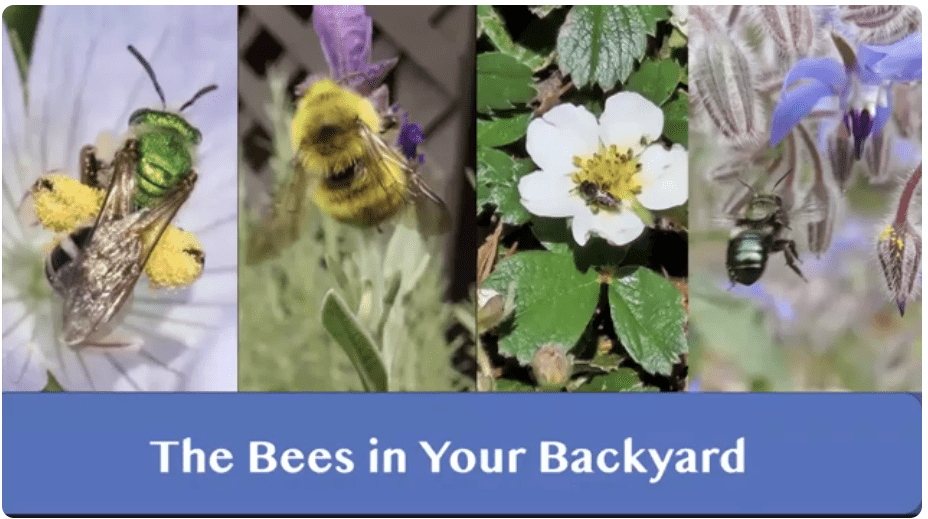
Discover the Fascinating World of Lake Oswego’s Bees!
Join the Oswego Lake Watershed Council for an up-close look at the diverse bee species of the Portland area, from the mighty Bumblebees to the tiny Miner Bees. Learn about their favorite flowers, the best spots to discover their baby nurseries, and get answers to intriguing questions like: What looks like a bee but isn’t? and Why do Bumblebees sleep on flowers overnight? We’ll also dive into Bee-Friendly Practices you can adopt to create a welcoming environment for these essential pollinators right in your own yard.
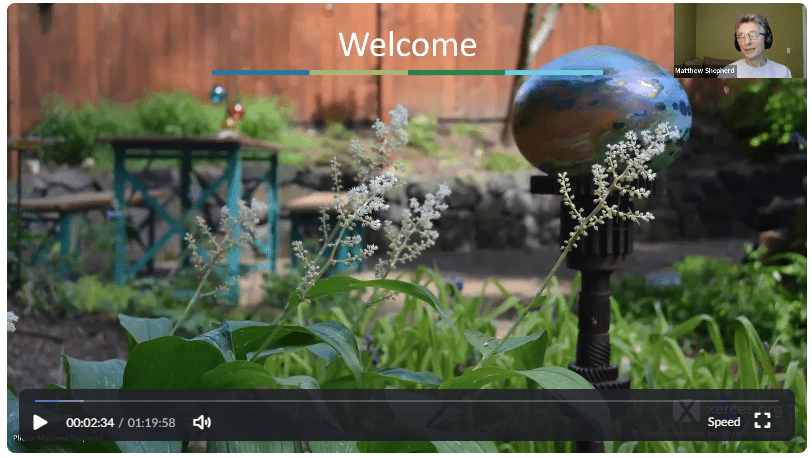
Creating a Garden to Support Pollinators
Presented by Matthew Shepherd of the Xerces Society.