
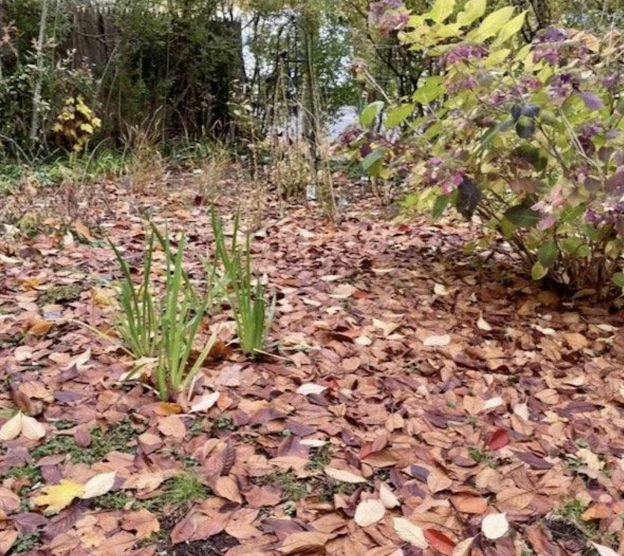
This fall, let your leaves do more than fill a yard waste bin. Fallen leaves help build healthy soil, support wildlife, and manage rainwater where it lands. With a few thoughtful choices, you can leave the leaves for nature while keeping your home and property wildfire-aware.
Beneath the leaves, a living world
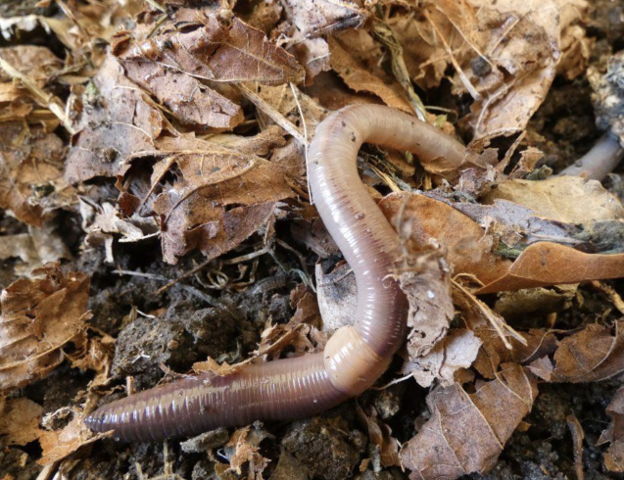
Healthy soil is much more than dirt. It is a living community of plant roots, fungi, bacteria, earthworms, insects, and countless microscopic organisms. These organisms break down organic matter, recycle nutrients, and help create the structure that allows soil to function.
As OLWC explored in “Soil Aggregates – Where Texture and Organic Matter Meet”, healthy soil needs space. A typical healthy soil contains roughly 50% solid material and 50% pore space, tiny openings that hold air and water. Roots need oxygen as well as moisture, and soil organisms depend on both to survive.
So how does soil develop and maintain this essential structure?
Soil aggregates: Tiny clumps with a big job
Soil particles don’t have to remain loose grains of sand, silt, and clay. Organic compounds produced by soil organisms, fungal threads, plant roots, and other biological processes help bind particles together into small clumps called aggregates.
Think of aggregates as the building blocks of healthy soil. The spaces between them create pathways for air and water to move through the ground. Stable aggregates help soil absorb rainfall, retain moisture, support root growth, and resist erosion.
When soil is compacted or its structure is damaged, those pathways can become restricted. Water may run off rather than soak in, carrying sediment and other pollutants toward storm drains and local waterways.

Soil health is therefore closely connected to watershed health: the condition of the ground in our yards influences how rain moves through our neighborhoods and into the streams and lakes we care about.
Leaves are nature’s soil-building material
In a forest, autumn leaves aren’t waste. They are part of a natural cycle: trees return organic material to the ground, and soil organisms gradually break it down. We can support this same process in our yards.
As leaves settle on the soil, they provide food and habitat for the organisms that decompose organic matter. Fungi and bacteria break down plant material, while invertebrates such as earthworms, beetles, and millipedes help shred and incorporate it. As decomposition progresses, nutrients return to the soil and organic matter helps support soil structure.
Leaf cover also buffers the soil surface from temperature extremes and rainfall, helping maintain more stable moisture conditions. Rather than leaving bare ground exposed to winter weather, retained leaves protect the soil while providing shelter for insects and other small creatures. These animals, in turn, support birds and other wildlife.
Our “The Living Soil, Part 1” article explores the remarkable community beneath our feet, while “Getting to Know a Soil Creature – The Nematode” introduces one of the many tiny organisms that contribute to soil life.
Leave the leaves, thoughtfully
You don’t need to let every leaf pile up everywhere to support healthy soil. A few small changes can make a meaningful difference:
- Leave leaves in garden beds. Keep a natural layer where it can gradually break down and provide habitat for overwintering insects.
- Clear hard surfaces and storm drains. Sweep leaves from sidewalks, driveways, and drains into garden beds or other suitable landscape areas. Wet leaves can become slippery, and debris in storm drains can interfere with drainage.
- Mulch around trees and shrubs. Spread leaves around the root zone, keeping them from piling directly against trunks or stems.
- Keep lawns functional. If a thick layer of leaves is smothering grass, rake some into garden beds or use them in compost rather than removing all of them from your property.
- Make compost. Combine leaves with other plant material to create a useful soil amendment. Keep in mind that shredded or composted leaves may provide less overwintering habitat than intact leaf litter.
- Reduce unnecessary blowing and hauling. Gas-powered leaf blowers contribute to noise and air pollution, and blowing debris into streets can send it toward storm drains. Consider a rake, broom, or electric equipment when cleanup is needed.
For more ideas, visit OLWC’s Leave the Leaves resource.
Consider your property in zones:
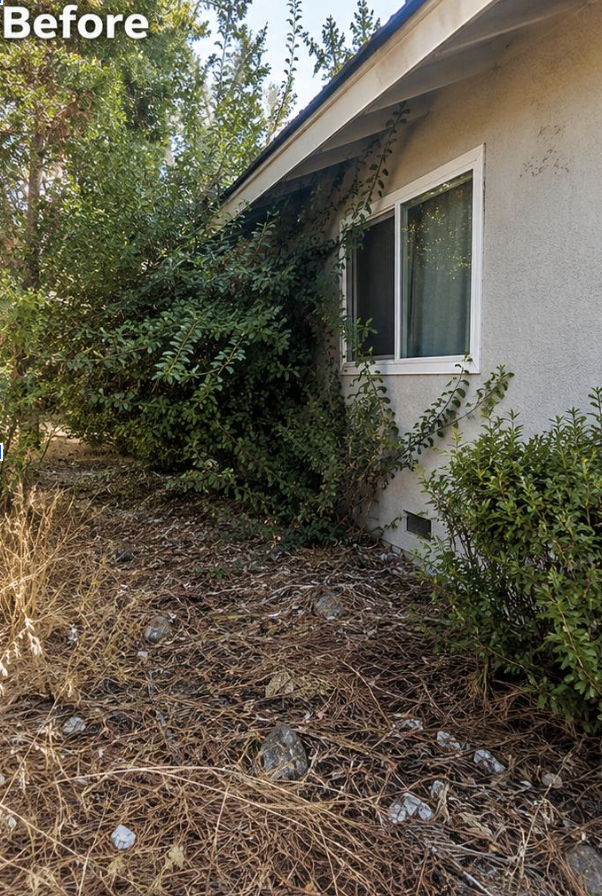
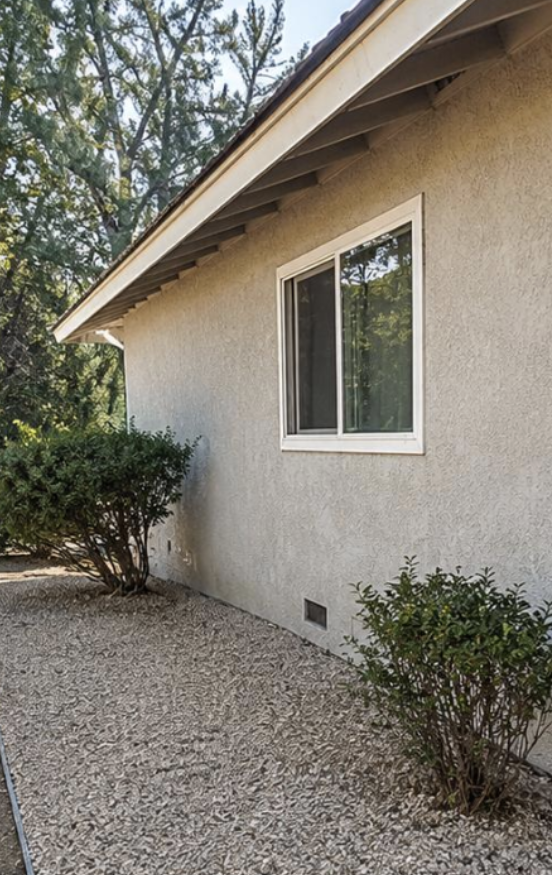
Closest to your home: Keep roofs, gutters, decks, exterior corners, and the area immediately around the foundation clear of dry leaves and other combustible debris. Pay attention to places where leaves can accumulate unnoticed.
In managed landscape areas: Keep paths, patios, and other frequently used spaces clear. Avoid allowing dry leaves to build up against structures, under decks, or around stored materials. Maintain vegetation and remove dead or excess plant material where it could contribute to fire spread.
Farther from the home, where appropriate: Consider leaving leaves in garden beds and other landscape areas that do not create a fire hazard. Assess the amount of leaf litter alongside your property’s slope, surrounding vegetation, and local wildfire guidance.
Firewise recommendations emphasize that the home ignition zone includes the home itself and the surrounding landscape. Conditions vary by property, so use guidance suited to your location and circumstances. Explore Firewise homeowners’ tips for more information about home ignition zones and reducing ember-related hazards.
Ecological stewardship and wildfire preparedness can work together. Clear combustible debris from vulnerable areas and retain leaf litter where it can safely support the landscape.
A small change with watershed-wide benefits
Leaving leaves in appropriate places is a simple way to support the natural processes that sustain healthy watersheds. As leaves decompose, they replenish organic matter, feed soil organisms, and help maintain the structure that allows water to move into the ground rather than run off.
This fall, try leaving some leaves where they can nourish your soil and shelter wildlife. Talk with your landscaper about your goals, share the idea with a neighbor, and look at your yard with fresh eyes.
A tidy landscape doesn’t have to mean bare soil. Sometimes, a little natural mess is a sign that a healthy ecosystem is at work.
Leave the leaves where they help. Clear them where safety and access require it. Let’s grow healthier soil, and a healthier watershed, one yard at a time.