The Natural History Book Group was founded on the recognition that Indigenous peoples have maintained a deep and reciprocal relationship with the land now known as Lake Oswego for millennia, the group acknowledges this history as an essential grounding for its work. Through participant-selected readings that focus on Traditional Ecological Knowledge, members explore how literature and nonfiction can deepen our understanding of the watershed and its indigenous history, while inspiring practical steps toward a more just relationship with both the land we call home and its original caretakers.
Led by the Lake Oswego Watershed Council, this group meets bi-monthly usually on the second Tuesday of every other month (January, March, May, July, September, and November) at 5:00pm. We meet at the Lake Oswego Public Library in the second-floor conference room. New members are welcome.
Our September Book
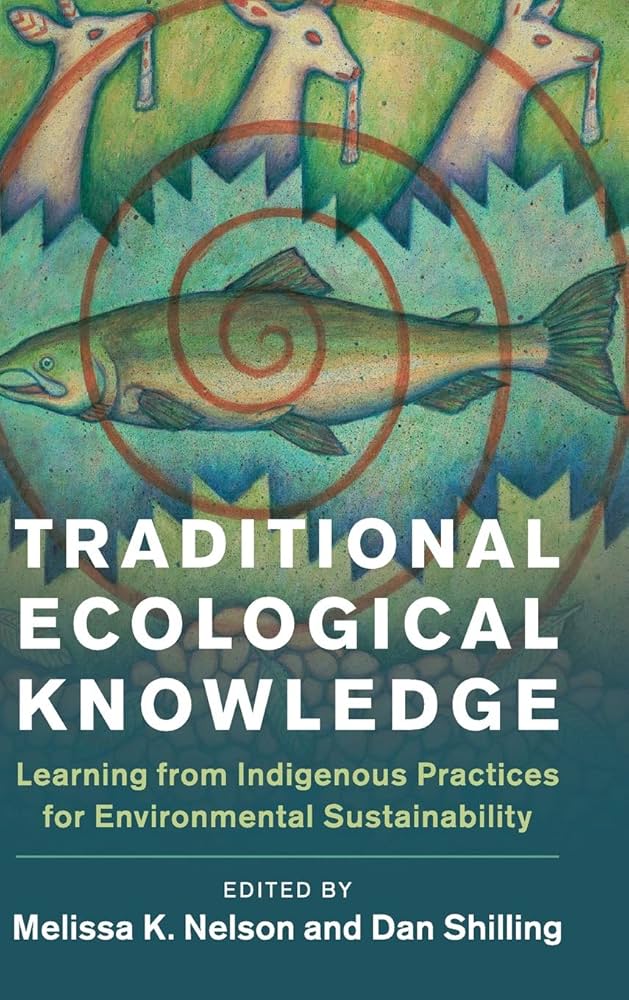
Traditional Ecological Knowledge: Learning from Indigenous Practices for Environmental Sustainability, edited by Melissa K. Nelson and Dan Shilling
Tuesday, September 8th | 5:00 – 6:30 P.M.
Lake Oswego Public Library 706 4th St, Lake Oswego
This month, the Oswego Lake Watershed Council Natural History Book Club will explore how Indigenous knowledge systems deepen our understanding of sustainability, stewardship, and our relationship with the natural world through Traditional Ecological Knowledge: Learning from Indigenous Practices for Environmental Sustainability. Edited by Melissa K. Nelson and Daniel Shilling, this collection brings together Indigenous scholars, scientists, and practitioners to examine how Traditional Ecological Knowledge (TEK) informs environmental stewardship, land management, and long-term ecological resilience. The book also explores the intersections between Indigenous ways of knowing and Western science.
Through case studies and essays from diverse perspectives, readers are invited to consider sustainability not only as a technical challenge, but also as a cultural, ethical, and relational one. Themes of reciprocity, biodiversity, stewardship, and community responsibility offer valuable insights for anyone interested in watershed health, restoration, climate resilience, or environmental justice.
Whether you are interested in ecology, restoration, Indigenous knowledge systems, or community stewardship, we invite you to join the conversation.