Mountain Park is Oregon’s largest planned community, home to more than 8,500 residents. The partnership between the MPHOA and the OLWC began in 2014 with projects focused on improving watershed health, including the restoration of a bioswale in Tanglewood Park and the replacement of a culvert with a bridge on Springbrook Creek. These early projects laid the groundwork for the long-term collaboration that continues today.
Mountain Park’s 155 acres of forested common property provide wildlife habitat, protect water quality, and help reduce wildfire risk.
Together with the Mountain Park Homeowners Association (MPHOA), residents, volunteers, and partner organizations, the Oswego Lake Watershed Council is restoring these urban forests to improve ecosystem health, strengthen community resilience, and prepare for a changing climate.
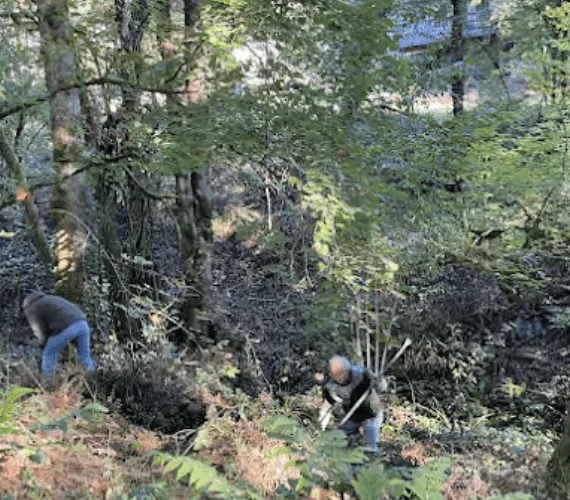
Why This Project Matters
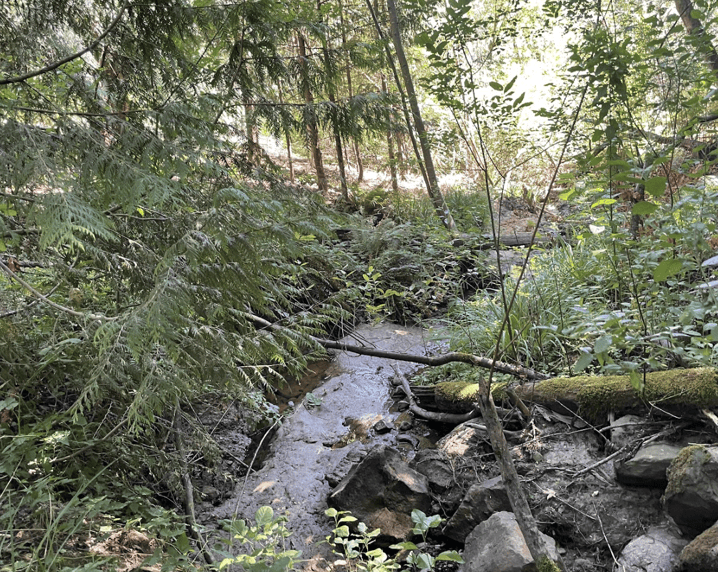
Mountain Park sits atop a ridgeline where water flows in three directions. Springbrook Creek drains east to Oswego Lake and the Willamette River, Arnold Creek flows north to Tryon Creek, and Cellini Park drains west to the Tualatin River watershed. Together, these forests influence the health of three connected watershed systems.
Healthy forests help slow runoff, stabilize soils, improve water quality, and provide habitat for wildlife. Springbrook Creek supports resident cutthroat trout, while downstream habitats provide important migration and refuge areas for Chinook salmon, Coho salmon, steelhead, and Pacific lamprey. Restoring Mountain Park’s forests benefits these waterways from their headwaters downstream.
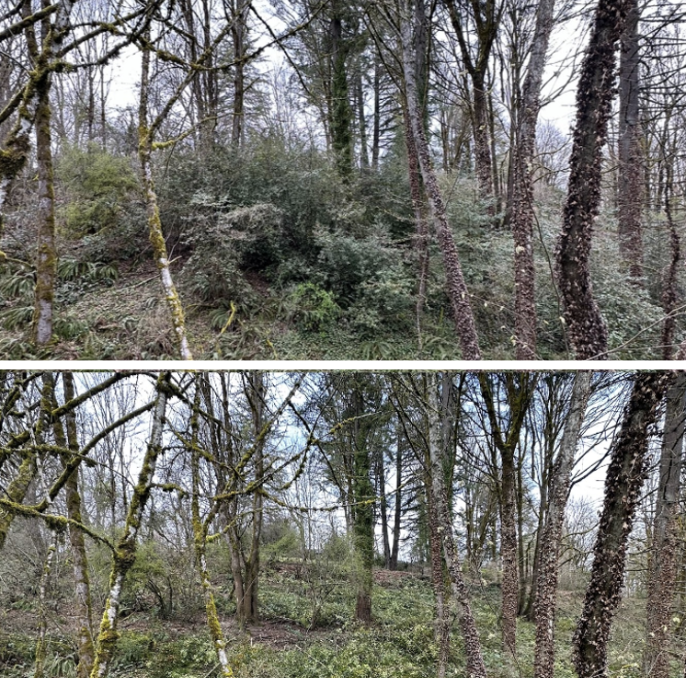
Fuel reduction: Before and After
Restoration Highlights
- Removal of invasive species including English ivy, English holly, Himalayan blackberry, hawthorn, sweet cherry, and clematis.
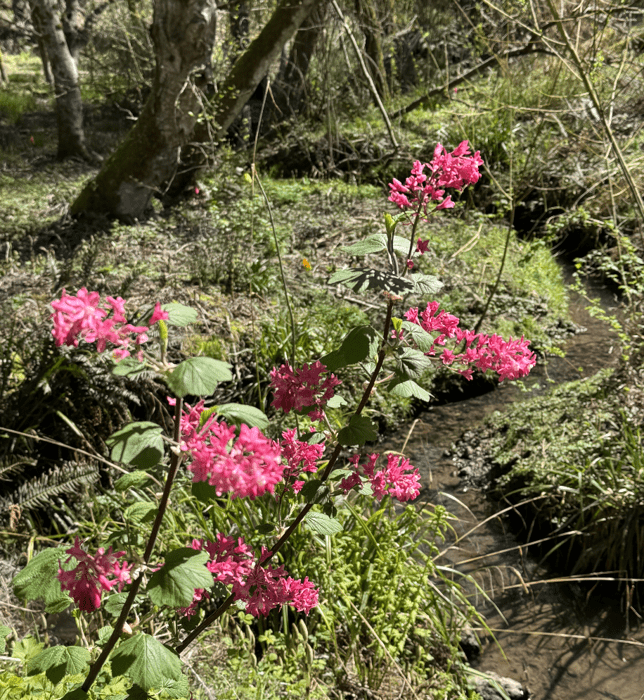
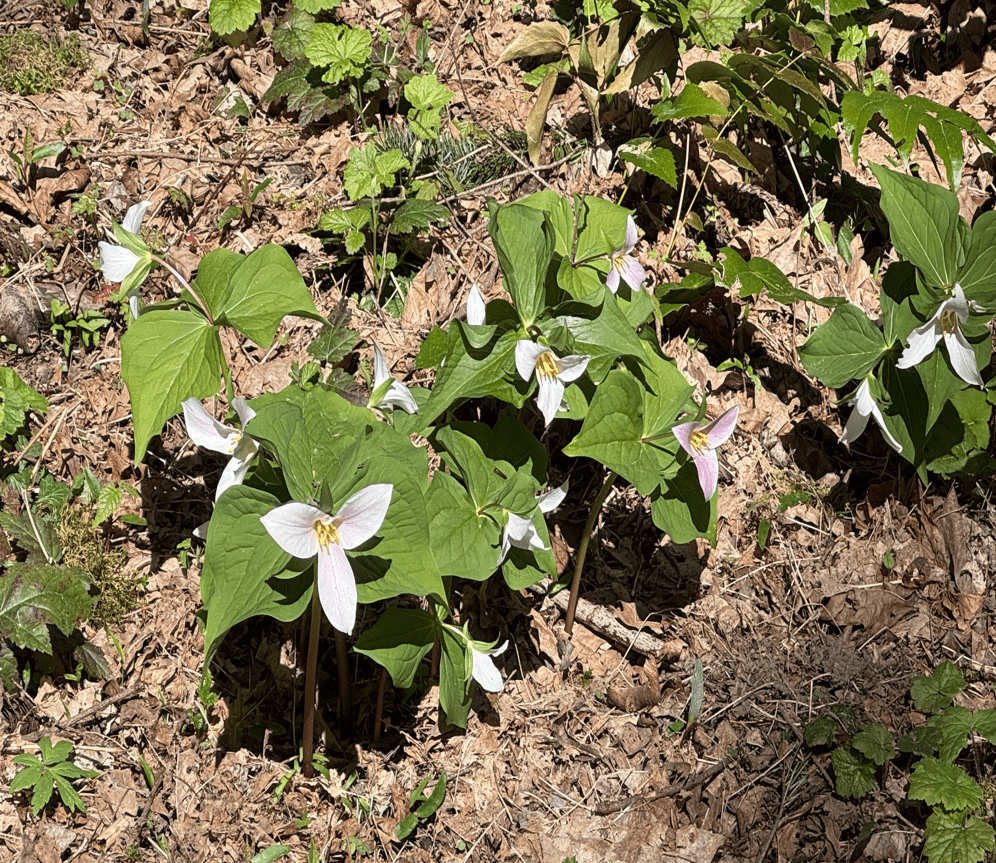
- Native plant restoration throughout Tanglewood Park, Springbrook Creek headwaters, Arnold Creek headwaters, and Cellini Park.
- In 2024, volunteers and partners planted more than 4,000 native plants representing 30 species in Tanglewood Park.
- Planted native sedges, dogwoods, and willows along streams to stabilize banks, slow runoff, and improve water quality.
- Ongoing collaboration with the Lake Oswego Fire Department to support Firewise USA® community recognition efforts.
Partners and Funding
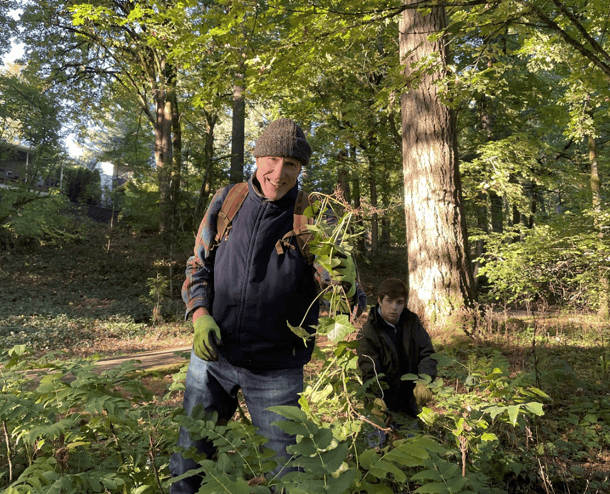
This project is made possible through collaboration among the Mountain Park Homeowners Association, Oregon Department of Forestry, City of Lake Oswego’s Habitat Enhancement Program, Clackamas Soil and Water Conservation District, West Multnomah Soil & Water Conservation District, Lake Oswego Fire Department, volunteers, and OLWC Teen Rangers.
Restoration efforts are supported by funding from the Oregon Department of Forestry, the City of Lake Oswego Habitat Enhancement Program, and the Oregon Watershed Enhancement Board, in partnership with the Mountain Park Homeowners Association and community volunteers.
Project Resources
- Land Resilience Management Plan
- MPHOA Project Summary
- Project Timeline
- Project Updates
- Additional Resources for MPHOA Residents
- Mountain Park Common Property Master Plan
- ODF Grant Application — MPHOA Land Resilience Project
- Lake Oswego Review (subscription required): Grant Helps Restoration Efforts in Mountain Park
Firewise Resources
Mountain Park is working toward Firewise USA® recognition. Residents can:
- Request a Wildland-Urban Interface Home Assessment from the Lake Oswego Fire Department
- Review Firewise USA® resources and FAQs
Related Projects
This work connects with several regional restoration efforts:
Get Involved
Volunteer with us! Join monthly stewardship events held every third Wednesday morning at Mountain Park. Help remove invasive plants, install native species, and care for restored habitat.
Interested in community science? Volunteers can monitor trees through OLWC’s LOTree program and track birds using the eBird app, contributing valuable data for long-term forest management.
Learn more. Explore OLWC’s Neighbors for Nature articles in the Lake Oswego Review and discover other watershed restoration projects. How can we care for our shared spaces in the West Willamette Watershed? (March 2026) The urban forest: Our stake and stance (June 2026)
No experience necessary. Training and equipment are provided. Learn more and register here, or contact Rio Hybert at rio@oswegowatershed.org for additional information.