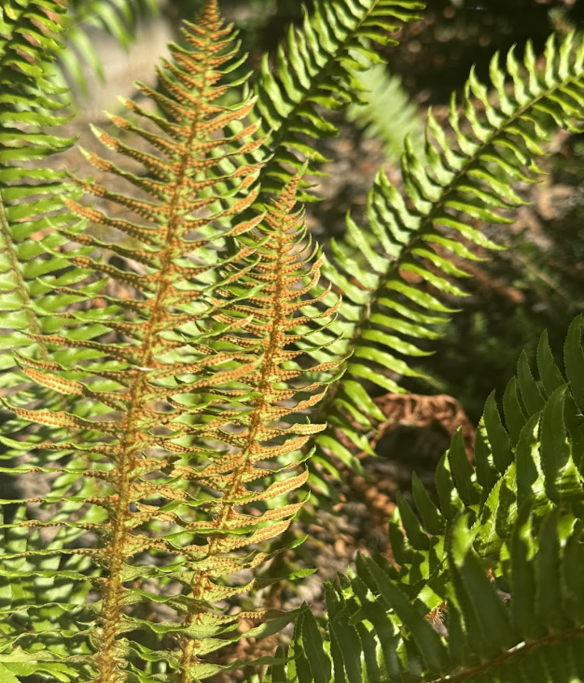
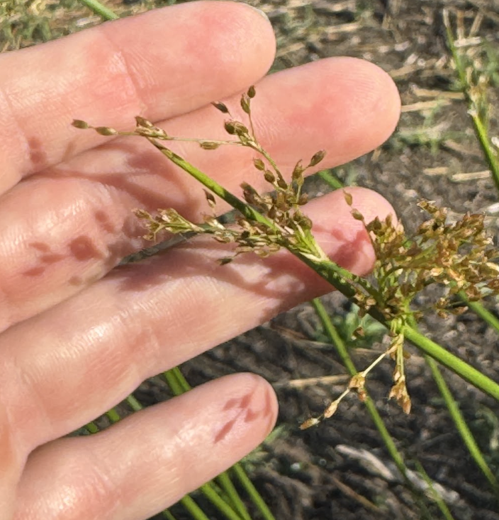
Healthy watersheds begin with healthy plants. Native trees, shrubs, grasses, and wildflowers help filter water, stabilize soils, support pollinators, and provide habitat for wildlife. But all of these benefits start with something simple: seeds.
Healthy plants also play a critical role below ground, where their roots feed the soil. Through natural processes, plants provide sugars and other compounds that nourish beneficial fungi, bacteria, and other microorganisms. In return, this living soil community helps plants access water and nutrients, improving their resilience to drought, pests, and disease.
Healthy plants build healthy soil, and healthy soil supports thriving plants, a relationship that is essential for resilient ecosystems.
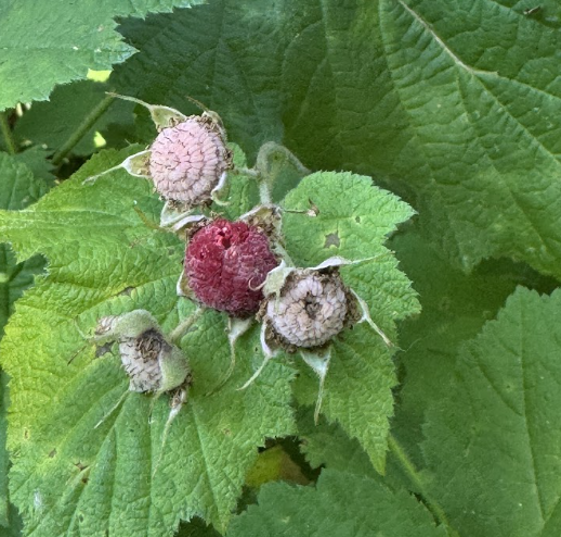
Across the Pacific Northwest, restoration projects and home gardeners alike depend on locally adapted native seeds. By collecting seeds from plants growing in our communities, individuals can help supply native plants for their own landscapes, local seed libraries, schools, and conservation organizations.
Researchers at the Institute for Applied Ecology and the National Wildlife Federation highlight the importance of building a strong local seed supply to support resilient ecosystems.
Some of those locally collected seeds are even making their way into Oswego Lake Watershed Council restoration projects, where community volunteers and Lakeridge High School students are propagating native plants for future habitat restoration efforts.
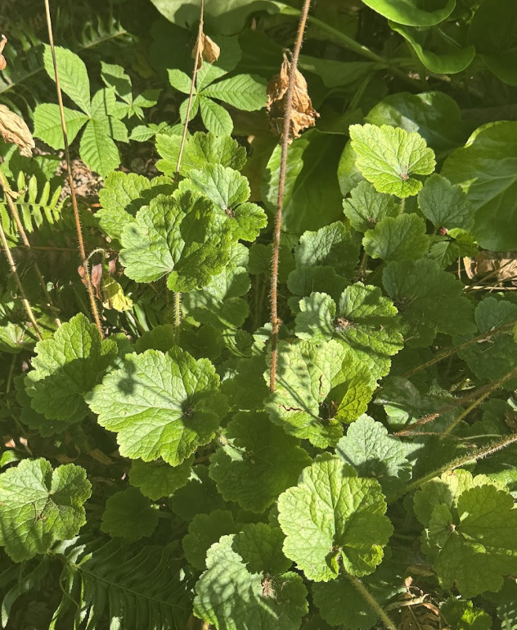
Getting started is easier than many people realize. The first step is learning when seeds are ripe. Different plants require different collection methods.
Some species, such as Douglas aster and milkweed, produce dry seed heads that can be harvested when they turn brown and begin to release seeds.
Others, including osoberry and red elderberry, produce fleshy fruits that must be collected and cleaned before planting. Many native species also require a period of cold, moist storage, known as stratification, before they will germinate.
The USDA Plant Materials Center has developed detailed guidance on native seed collection and handling for Pacific Northwest species (Native Seed Production Manual).
Participants will explore the garden at Woodmont Park (13600 Atwater Lane, Lake Oswego) and learn how to recognize ripe seeds, harvest them responsibly, and contribute to the future of our local watershed. The event will also introduce participants to how locally harvested seeds support community restoration efforts, from neighborhood gardens to student-grown plants used in watershed restoration projects.
Today’s seed harvest can become tomorrow’s habitat. By growing native plants, we’re also growing healthier soils that sustain plants, wildlife, and clean water for generations to come.
Whether planted in a backyard, shared through a seed library, grown by local students, or restoration projects, every seed collected is an investment in a healthier and more resilient community.