See Our Work in Action
Restoring headwaters, strengthening streambanks, and engaging the community takes hands-on work. Explore our projects, volunteer opportunities, and upcoming events to see how we’re putting the Headwaters-to-Lake approach into action.
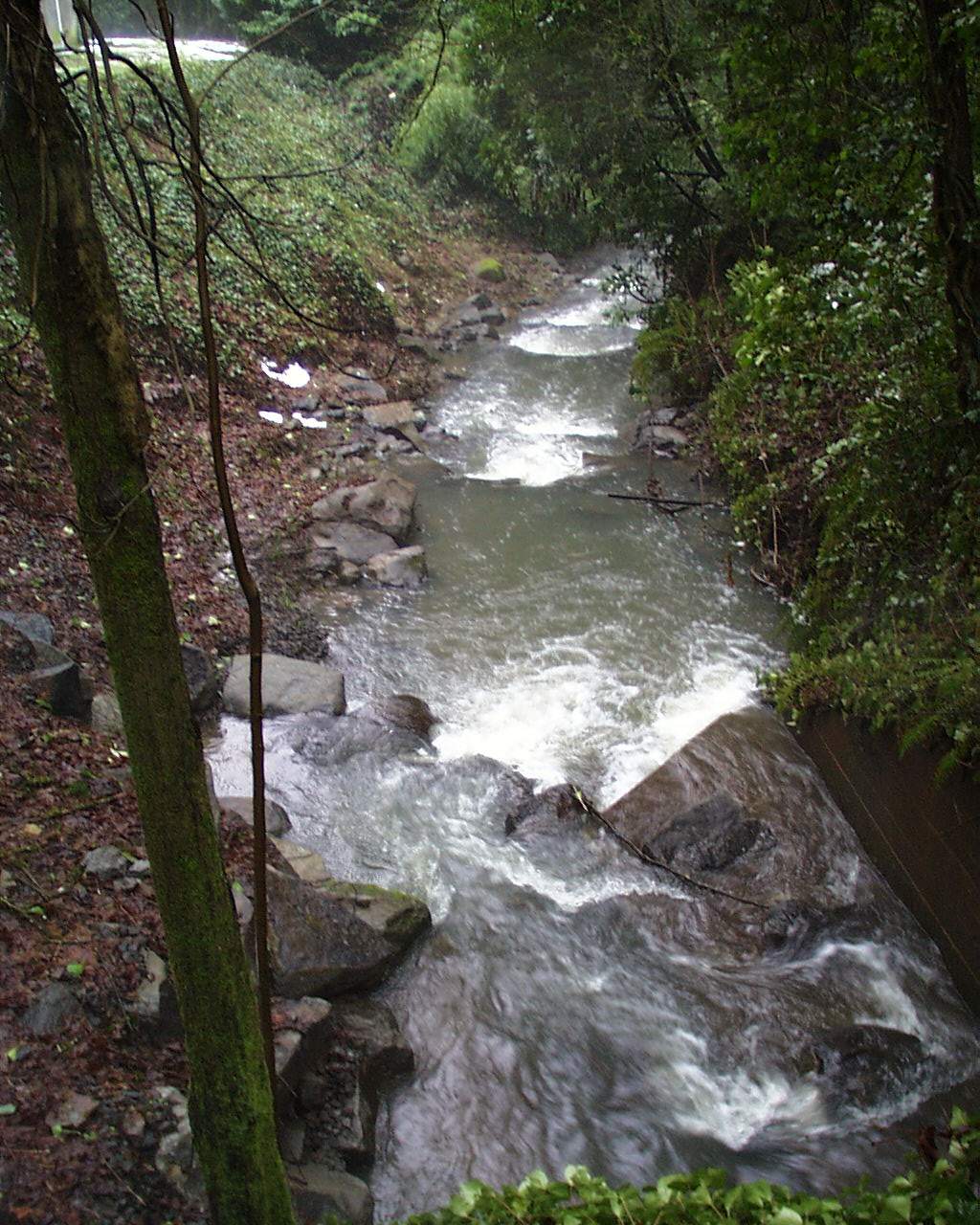
Every drop of rain that falls in our watershed, whether on a forested hilltop or a paved driveway, begins a journey through streams, neighborhoods, parks, and streets before reaching Oswego Lake. That connection means actions upstream influence water quality and habitat all the way downstream.
What “Headwaters to Lake” Means
Water moves across the landscape, linking steep headwater areas with small creeks and eventually Oswego Lake. Healthy headwaters slow water, filter pollutants, reduce erosion, and support diverse fish and wildlife habitat. Unhealthy headwaters, where soils are compacted, vegetation is removed, or stormwater flows unchecked, can send sediment and pollution downstream.
The OLWC Approach – Connecting the Whole System
The OLWC takes a holistic “headwaters to lake” approach because watershed health depends on the whole system working together. Our work connects restoration, education, and community engagement so that upstream improvements benefit downstream water quality and watershed function.
We focus on:
- Habitat restoration — stabilizing streambanks, planting native vegetation, and improving soils to keep water on the land and filter it naturally.
- Stormwater solutions that slow, soak, and filter runoff before it reaches creeks and the lake.
- Watershed education that helps everyone understand how their piece of land fits into the larger watershed and why their actions matter.
We all live within the watershed, and the actions we take, big or small, help shape the health of our creeks and the lake. Planting native vegetation, caring for soil, and reducing runoff all support watershed health. A community watershed ethic begins with recognizing our shared connection, and acting together to care for the land and water that sustain us.

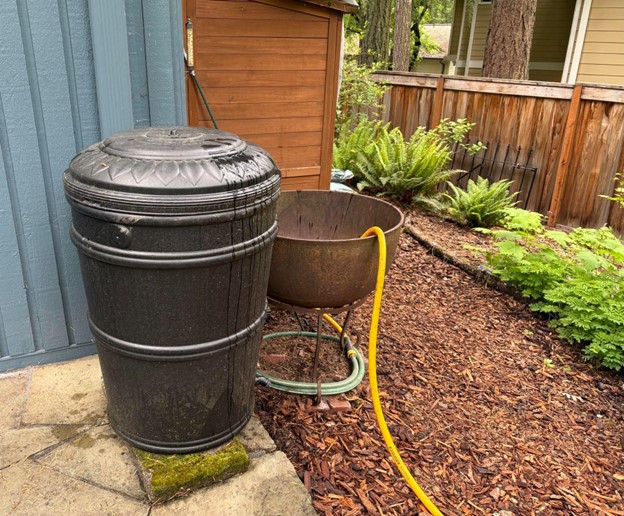
Want to understand how water actually moves through the watershed?
Learn how stormwater travels across the landscape, and what slows it down, on our Stormwater page.